Part of our complete guide: Car hire and getting there
Where the difference shows
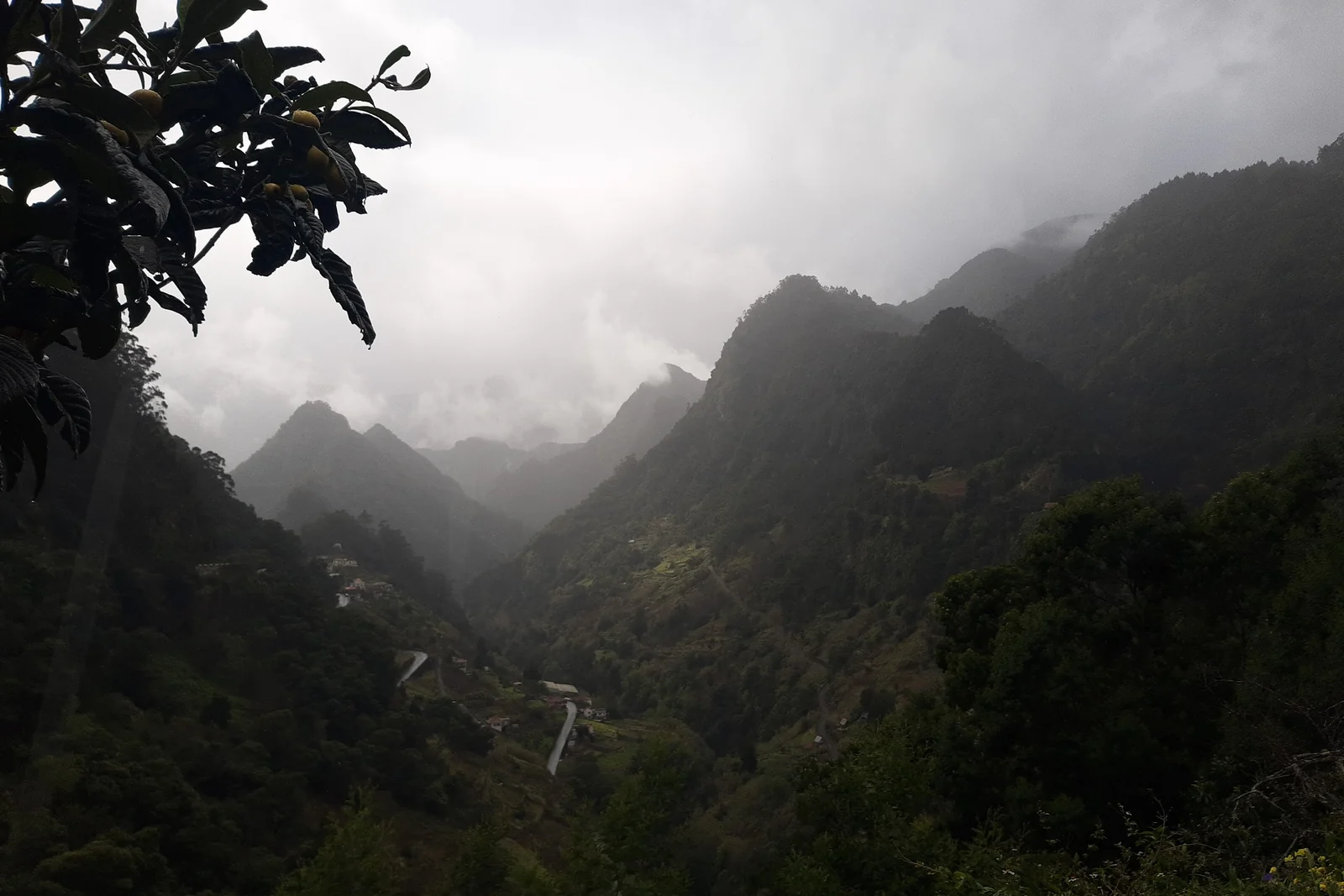
On the Via Rápida along the south coast the gearbox is irrelevant. The difference appears on the old connections into the highlands and on the approaches to trailhead car parks: short, very steep sections, single lane, with hairpins where you have to stop and pull away again.
Then there is oncoming traffic. On a single-lane mountain road an approaching vehicle means stopping on the slope, reversing, letting it past at a passing place, and pulling away on the slope again. That is the situation that decides it.
What that means in practice
If you drive a manual daily and know mountain roads, a manual is fine. If you rarely do either, budget the automatic surcharge — it is smaller than the price of a burnt clutch, and that gets charged on return.
Whatever the gearbox: do not take the smallest model. Not for top speed, but because a car with a little more torque asks for far less clutch work on a slope.
And four-wheel drive?
No. The roads are surfaced, including the steep ones. What is missing is room, and sometimes grip in the wet — four-wheel drive solves neither. An ordinary compact with decent tyres covers everything open to the public.